Removal or cleaning?
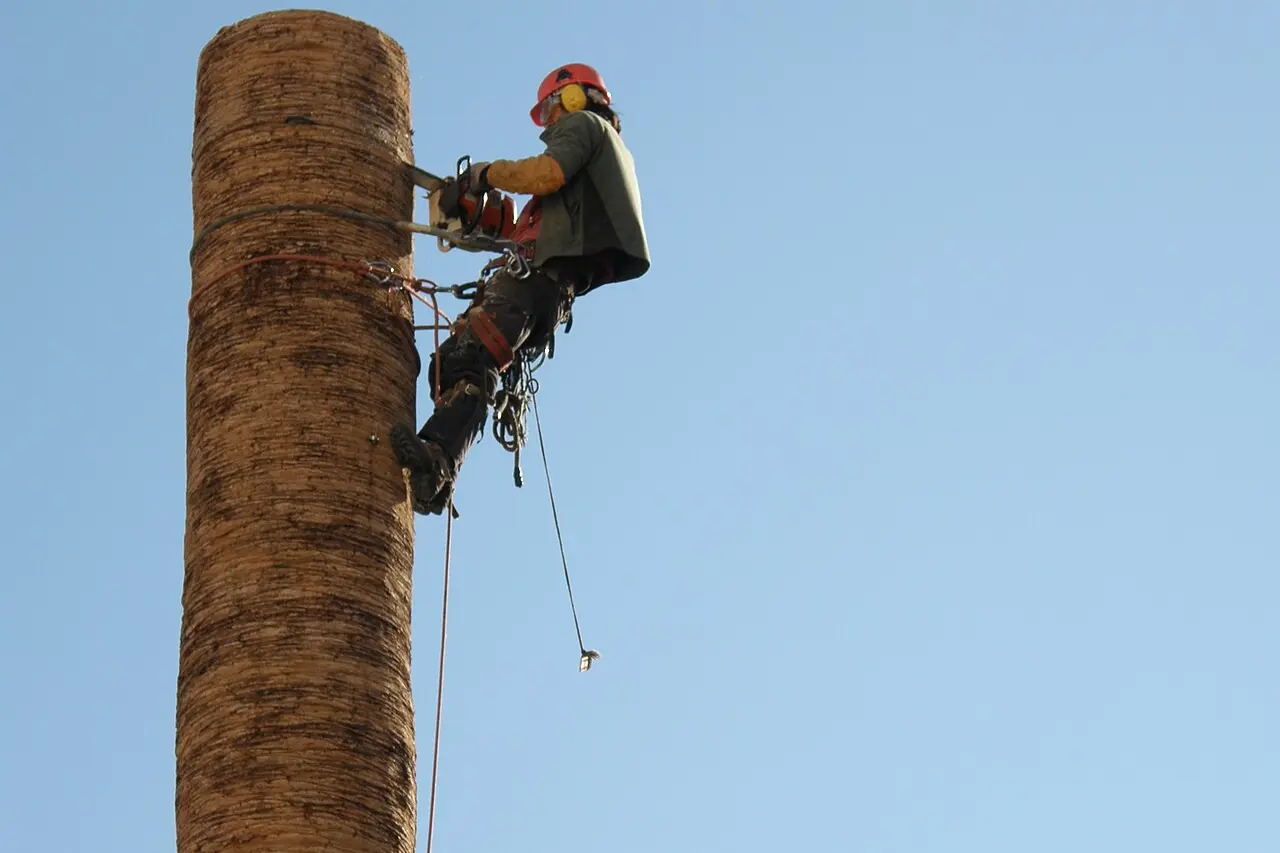
Palm cleaning strips the dead fronds, old frond bases, flower stalks and seed pods and leaves the palm standing. Fast-growing palms need it again every year or so.
Palm removal takes the whole palm down in sections. The stump can then be ground like any other, though palm stumps are fibrous and are usually quoted separately.

Palms people most often ask about
Cocos palms (queen palms)
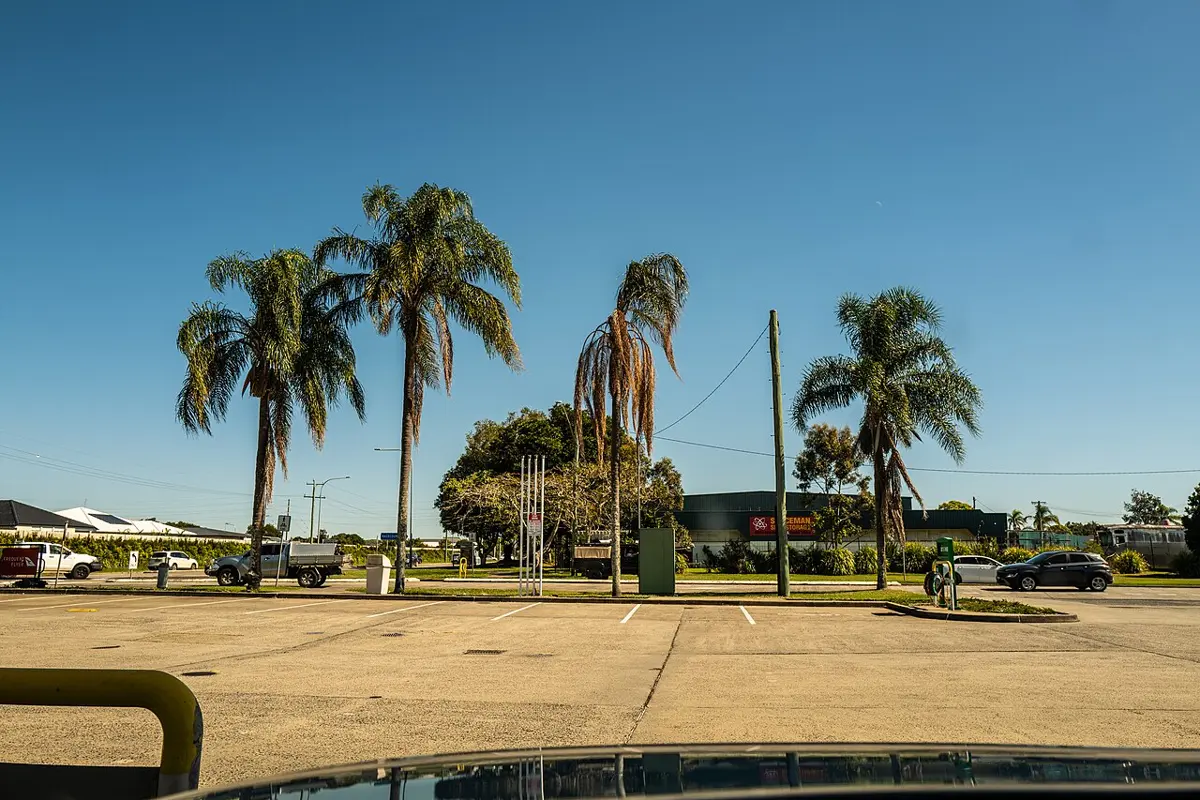

The most common removal request. Cocos palms drop heavy fronds and large bunches of orange fruit that rot on the ground and attract flying foxes. They grow tall on a thin trunk, which makes them awkward to clean yourself. They are also on Brisbane City Council's pest vegetation list (see below).
Alexander and bangalow palms
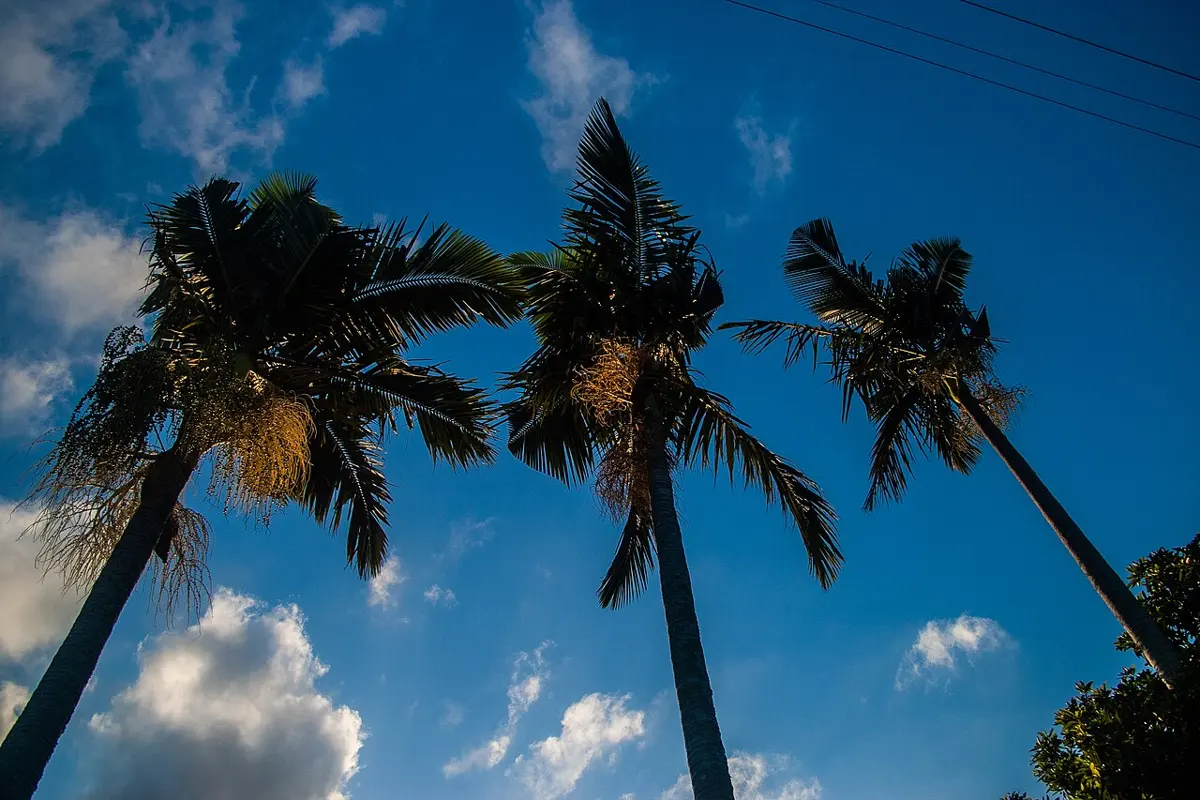

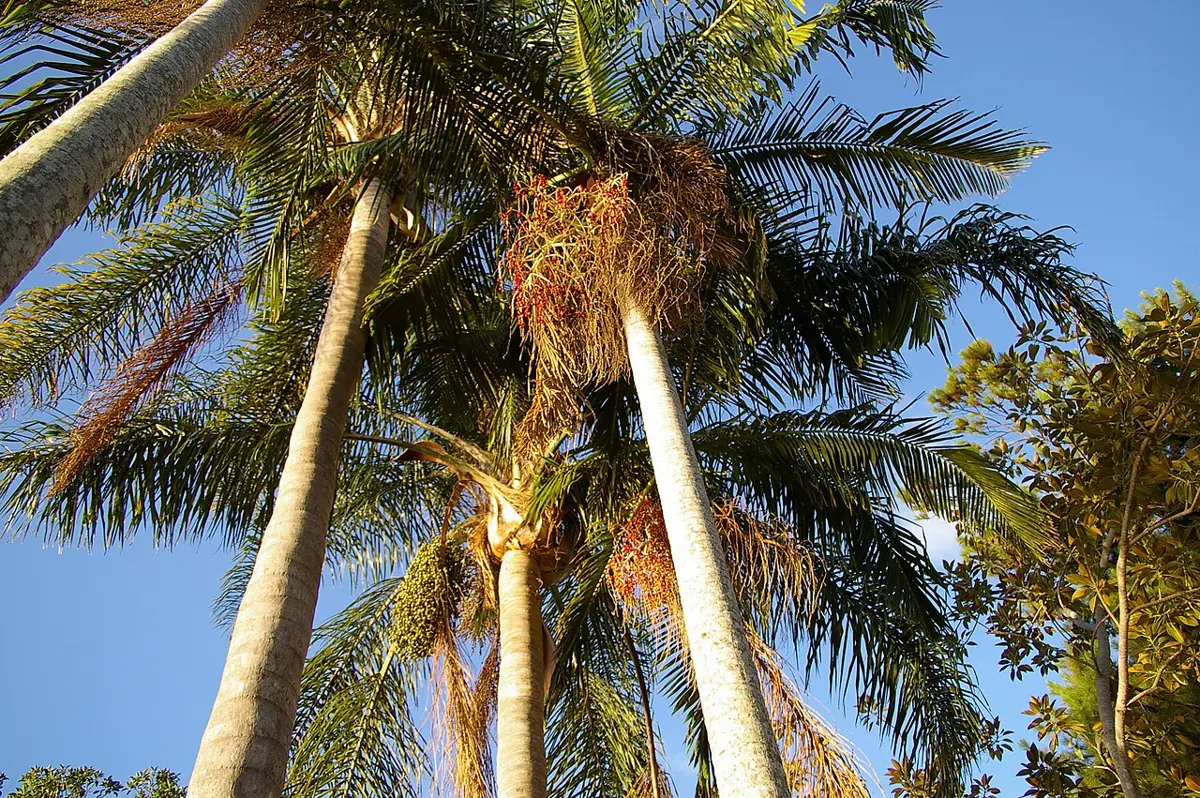

Native palms that shed their fronds on their own, so they need less cleaning. They are usually removed because they were planted in clumps too close to a house, pool or fence.
Date palms and Canary Island palms
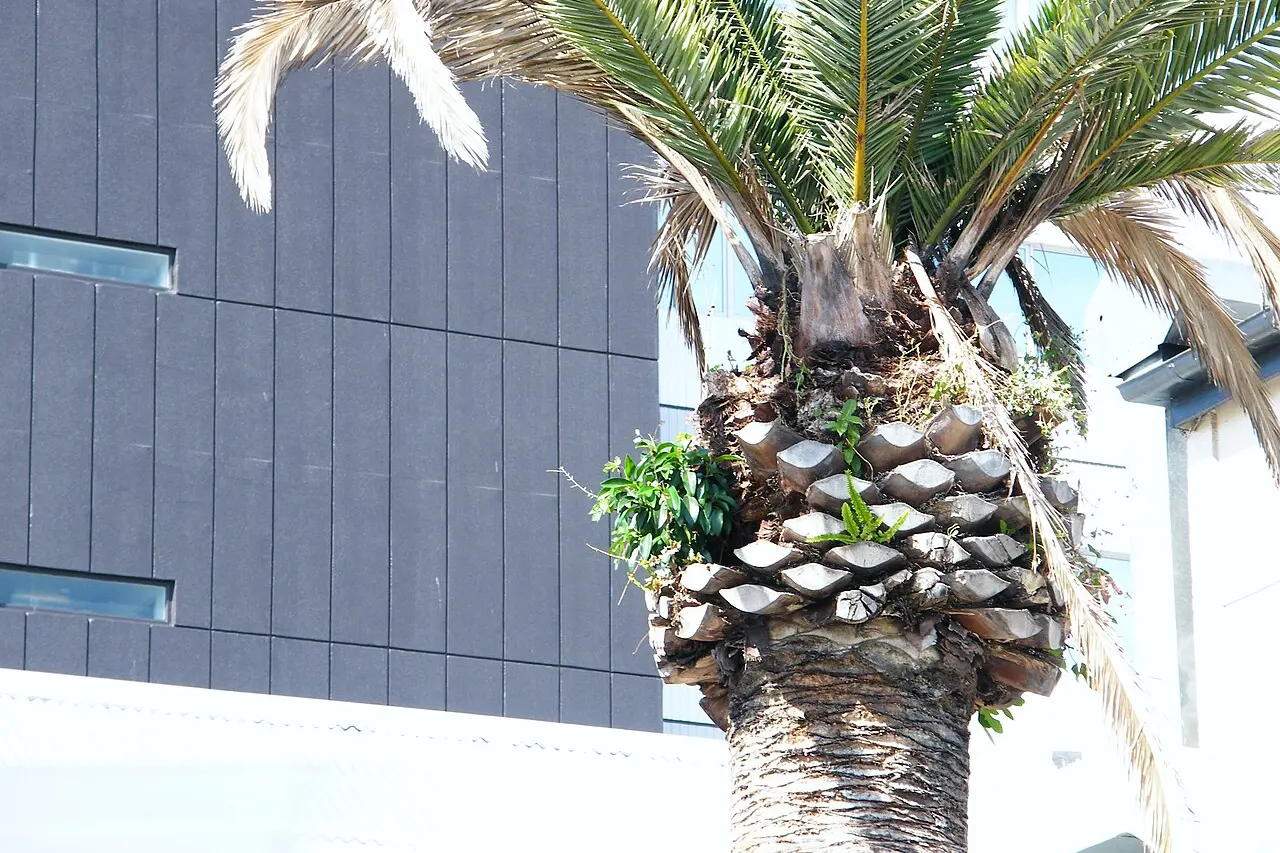

Thick trunks, heavy crowns and long spines on the frond bases. These are slower, heavier jobs and may need a crane or cherry picker.
Golden cane palms
Clumping palms with many thin stems. Removal is quick, but the root mass is dense and wide.
What to tell us
- How many palms, and roughly how tall each is
- The type, if you know it, or a description of the trunk and fruit
- Whether you want removal, cleaning or a mix
- What is underneath: pool fencing, paving and garden lighting all matter
- Whether stumps are to be ground
What changes the price
- Height. Short palms can be worked from the ground or a ladder; tall ones need a climber or a lift
- The number of palms done in one visit
- Access for a truck and chipper. Palm fronds are bulky and do not chip well, so disposal is a real part of the cost
- Proximity to pools, roofs and powerlines
Typical figures are on the Brisbane tree cost guide.
Do palms need a council permit?
Brisbane doesn't protect palms, or any tree, by height. A palm needs a permit only if it is protected: in one of council's mapped protected vegetation layers, or covered by a vegetation protection order, a development approval condition, a covenant or a heritage listing. Even then, pruning within council's 20% rule needs no permit. See the council rules to check your address.
The Cocos palm is on council's pest list, so it can be removed without a permit even in a protected layer. No arborist has to identify it first. The work must not damage protected plants around it, and must keep soil disturbance to a minimum. Sources: council's pest vegetation list, Natural Assets Local Law 2003, section 45
The exception is a pest palm that is a significant landscape tree, such as one under its own vegetation protection order, or one protected by a development approval condition, covenant or heritage listing. Those need council's permission. Source