This page summarises what the City of Gold Coast and the Queensland Government publish. It was checked in November 2026. It is a guide, not advice on your property: confirm with the City on 07 5582 8708 before work starts.
Check your tree
Answer what you can. The likely answer appears below the questions and updates as you go.
Start with the council and the size of the tree.
This is a guide from the published rules, not a ruling on your property. A vegetation protection order, an approved landscape plan or mapped koala habitat can change the answer. Confirm with the City of Gold Coast on 07 5582 8708 before work starts.
Which trees are protected
The City calls protected trees "assessable vegetation". Its definition covers vegetation that is:
- more than 4 metres in height, or
- more than 40 centimetres around the trunk, measured about 1.3 metres above the ground, or
- mapped on the City's Vegetation Management Overlay Map as remnant, regrowth or wetland vegetation, or its understorey.
The 40 centimetres is the distance around the trunk, not across it. That is a trunk roughly 13 centimetres thick, so many ordinary garden trees qualify. Source: City of Gold Coast
When you can go ahead without an application
The City lists these cases where a protected tree can be removed or pruned without a development approval:
| Where the tree is | Distance |
|---|---|
| Along a boundary fence, block under 4,000 m² | Within 1.5 m |
| Along a boundary fence, block 4,000 to 7,999 m² | Within 3 m |
| Along a boundary fence, block 8,000 m² or more | Within 6 m |
| Near an approved building (house, shed, garage), block under 8,000 m² | Within 3 m |
| Near an approved building, block 8,000 m² or more | Within 10 m |
| Near an existing pool fence | Within 1.5 m |
Other exemptions the City lists:
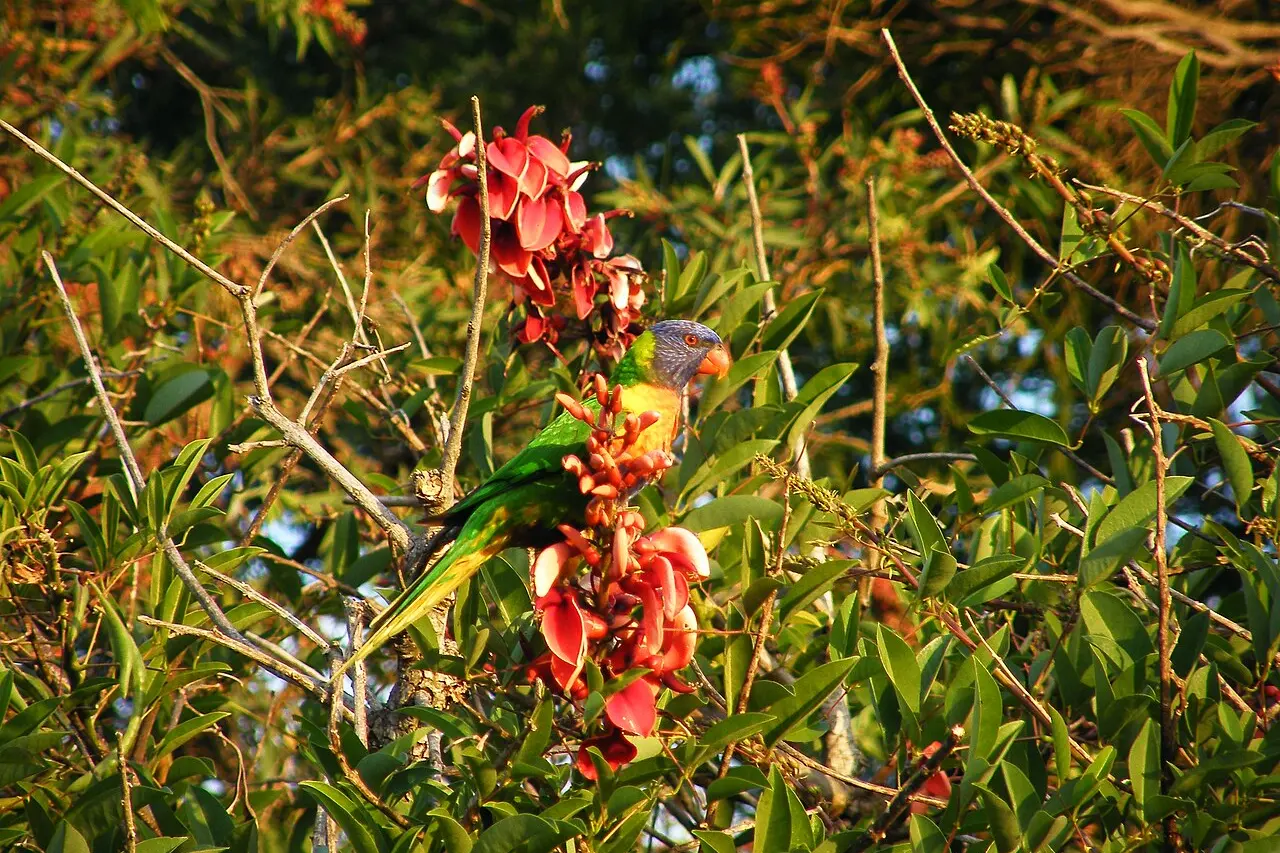
- Pest species, once identified by an AQF Level 3 arborist: Cocos (queen) palm, coral tree, cadaghi, slash pine and umbrella tree. Source
- Native undergrowth beneath taller trees on blocks under 1,000 m².
- Bushfire hazard reduction around an approved house in a mapped bushfire hazard area with no approved bushfire management plan.
The five pest species
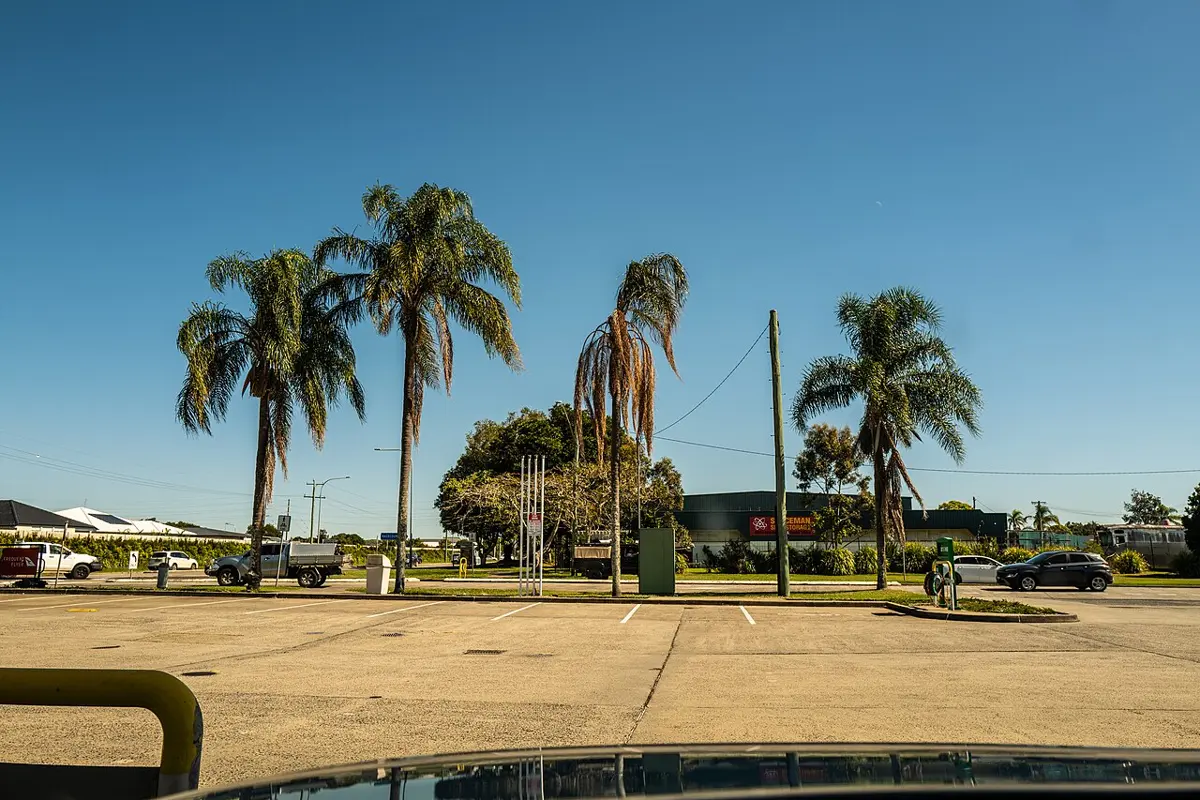

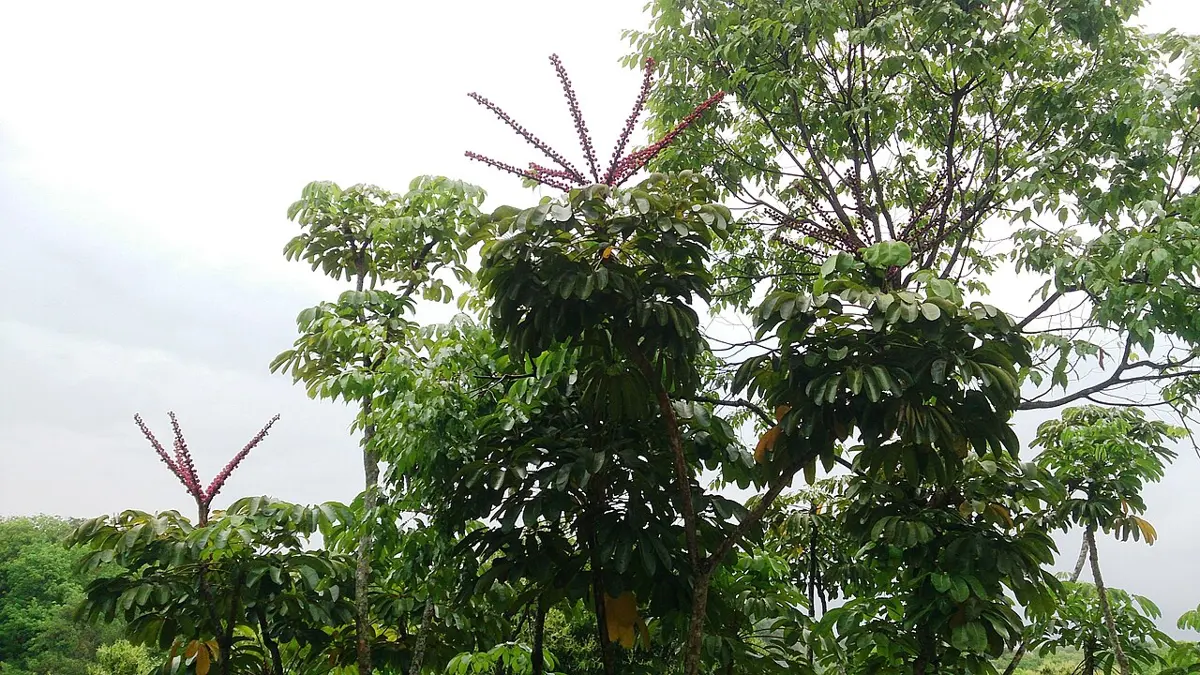

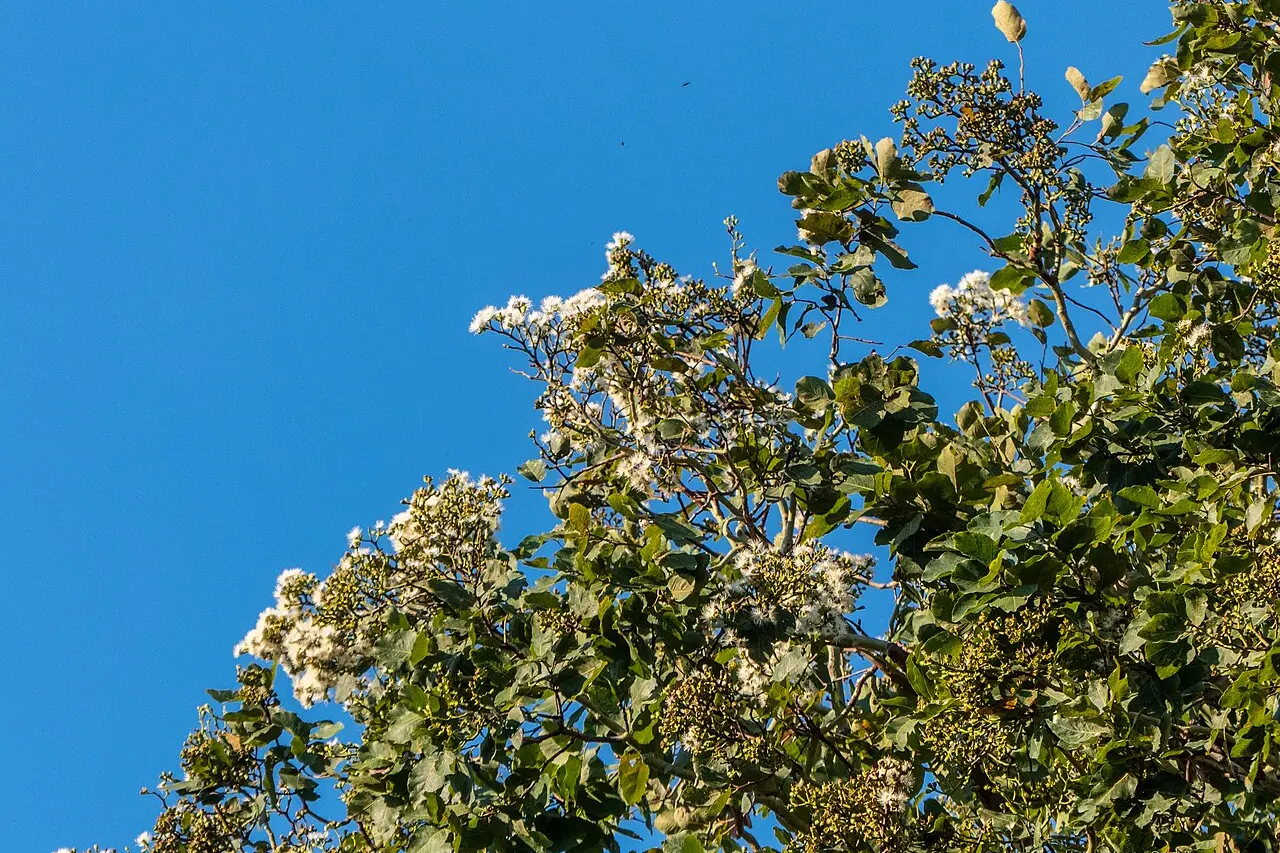

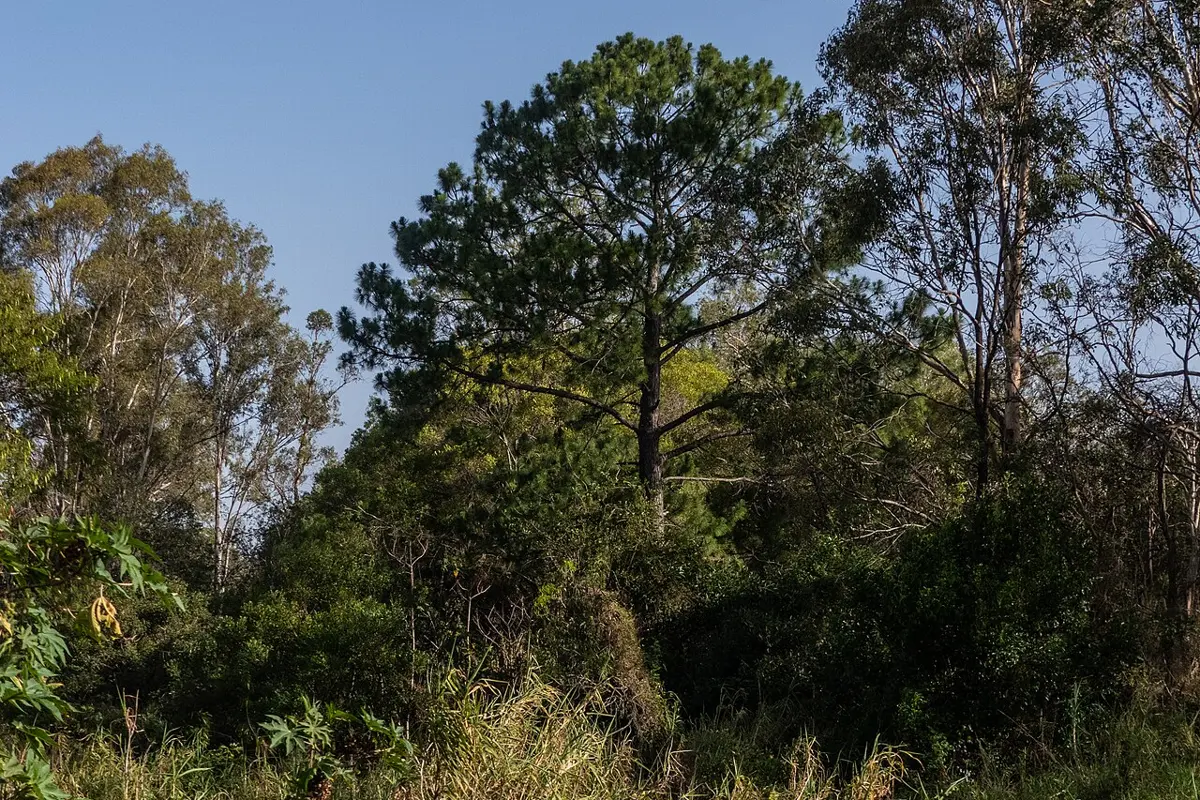


The distances come from the City Plan vegetation management code. The exemptions do not apply to a tree covered by a vegetation protection order, a tree planted under an approved landscape plan or condition of approval, or land managed by a body corporate.
Dead and dangerous trees are not automatically exempt. The City's exemption applies when a Level 5 arborist authorised by the City has determined the tree is dangerous. Call the City before removing a tree on these grounds.
How to check your property
- Work through the City's vegetation removal checklist.
- Look up your address on the City Plan interactive mapping for the vegetation management and bushfire overlays.
- Still unsure? Phone the City on 07 5582 8708.
If you do need approval
You lodge a development application for operational works (vegetation clearing), using the State's DA Form 1 and a site plan showing the trees. It can be lodged online or at a customer service centre.
| Trees in the application | City fee, 2026–27 |
|---|---|
| 1 to 3 trees | $210 |
| 4 to 15 trees | $397 |
| 16 trees or more | $791 |
These fees are for tree works not linked to a development application and change each July. Source: register of fees and charges. The City does not publish a processing time.
Koala habitat and state vegetation rules
State rules sit on top of the City's. In mapped koala habitat areas in South East Queensland, clearing native vegetation is restricted or prohibited, with limited exemptions. Whether your block is mapped is specific to the property: the Queensland Government sends a free vegetation management property report, usually within three business days. Source: Queensland Government
Trees on the footpath or in a park
Street and park trees belong to the City. Do not prune or remove them yourself. Report a problem or ask for a removal through the City's trees, plants and vegetation page. The City says it does not remove public trees for shading solar panels, blocking gutters or dropping leaves.
A neighbour's tree
Neighbour tree disputes in Queensland fall under state law, and the City does not mediate them.
- You may cut overhanging branches and roots back to your boundary line. You cannot go onto the neighbour's land to do it.
- A protected tree is still protected. Pruning it from your side can need approval too.
- For branches that overhang by more than 50 cm and are less than 2.5 m above the ground, you can give the neighbour a formal notice (Form 3) allowing at least 30 days. If they don't act, you can have the branches removed and recover up to $300 a year from them.
- Higher branches, and trees likely to cause serious damage or injury, can go to QCAT after you have tried to resolve it directly.
Sources: Queensland Government and QCAT
Trees near powerlines
- Energex trims trees growing into the clearance space around street powerlines, normally free of charge.
- Trees near the service line from the street pole to your house are generally the owner's responsibility. Energex says to hire a professional arborist or tree trimmer and never to do it yourself.
- If a tree or branch is touching a powerline, stay at least 10 metres away and call 000.
Across the border: Tweed Shire
Tweed Heads is in New South Wales and the rules differ. Tweed Shire Council requires approval to clear:
- native plants 4 metres or taller, or with a trunk 10 cm or more across
- any tree, native or not, with a trunk 40 cm or more across
- mapped native bushland, preferred koala food trees, threatened species and trees on its significant tree register
Tweed measures across the trunk, not around it. Camphor laurels under 100 cm across are exempt. There is no fee to apply. Source: Tweed Shire Council
Who is responsible for getting approval?
You are, as the owner. Ask the tree business quoting your job whether they think the tree is protected and whether they can help with the application, and keep a copy of any approval or arborist identification before work starts.