Lopping, pruning and trimming: what you are asking for
In Queensland "tree lopping" is the everyday name for almost any tree work, and tree businesses use it that way too. Strictly, the words mean different things.
- Pruning removes selected branches back to a branch collar or a suitable side branch, so the cut can seal over.
- Trimming usually means light pruning of hedges and small trees to keep their shape.
- Lopping cuts branches or the trunk between growth points, leaving stubs.
- Topping takes the whole top out of a tree to reduce its height.
The Australian Standard for pruning amenity trees, AS 4373, treats lopping and topping as unacceptable practice for a tree you intend to keep. The stubs decay, and the regrowth that follows is fast, crowded and weakly attached, so a lopped tree often ends up more hazardous than it was.

Jobs a tree business will usually suggest instead
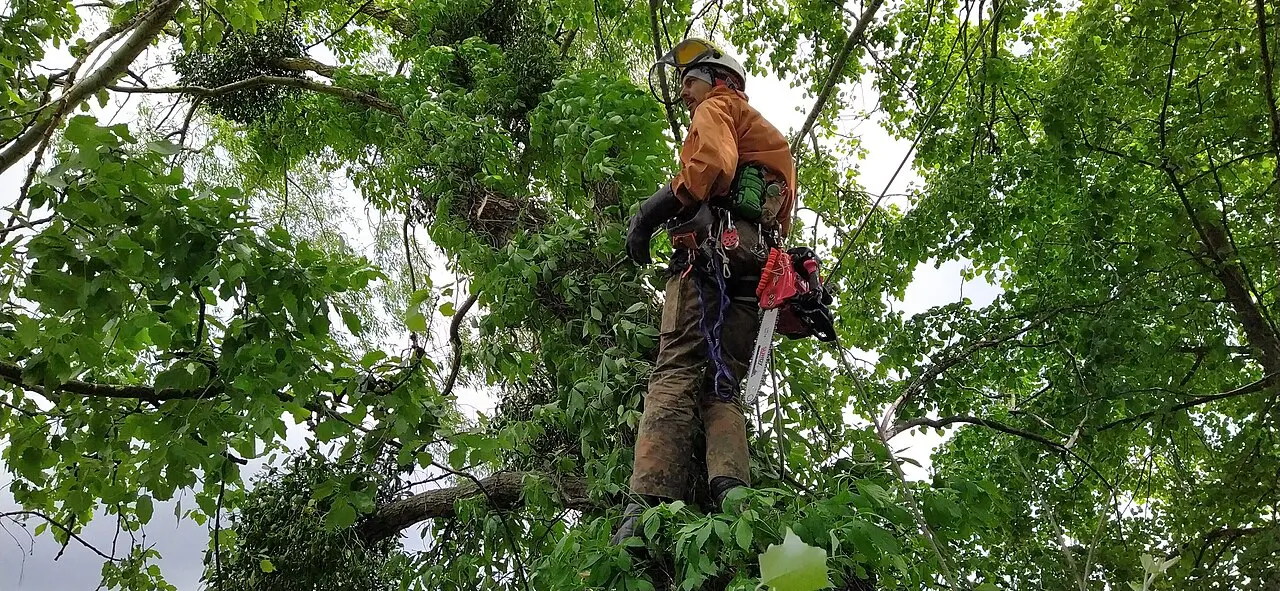
- Crown reduction: the canopy is brought in by cutting back to side branches, which keeps the tree's shape.
- Crown lifting: lower branches are removed for clearance over a driveway, roof or fence.
- Crown thinning: selected inner branches come out to let wind and light through.
- Deadwooding: dead, dying and broken limbs are removed before they fall.
- Clearance pruning: branches are cut back from gutters, solar panels and buildings.
Brisbane's pruning rule for protected trees
Brisbane doesn't protect trees by size. A tree is protected only if it is in one of council's mapped protected vegetation layers, or covered by a vegetation protection order, a development approval condition, a covenant or a heritage listing. If it isn't, pruning needs no council permit. Check your address on the council rules page.
If the tree is protected, you can still prune it without a permit when:
- the pruning is for maintenance or safety
- no more than 20% of the live foliage comes off in any 12 months
- the cuts are spread over the whole crown, so the tree isn't left lop-sided
- the work is done to AS 4373
Source: Natural Assets Local Law 2003, section 44(1)(e), council's "Do I need a permit?" fact sheet
Lopping and topping are not pruning under the local law. They count as "interference" with the tree, so on a protected tree they need a permit. A significant landscape tree needs a permit for any pruning. Source: Schedule 4
A neighbour's tree hanging over. If the tree is protected, cutting the overhang back to your boundary is exempt only if it is less than 20% of the tree's live foliage and removing it doesn't leave the tree lop-sided. Otherwise you need a permit and the owner's consent.
When lopping is what you want
If the tree is coming out anyway, or it is a hedge or a species that copes with hard cutting, heavy reduction can be the right call. Say what you want the tree to look like afterwards and let the person quoting tell you whether the tree will tolerate it, and whether it is protected.
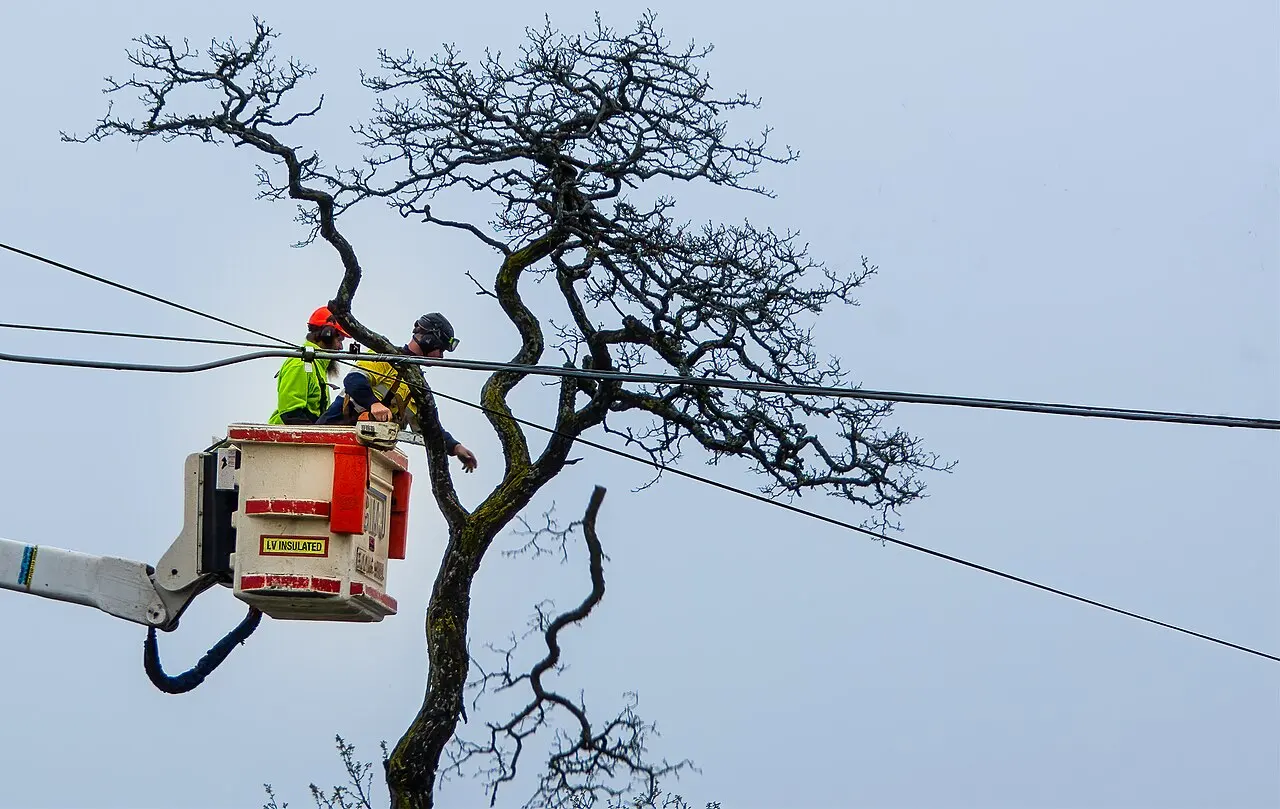
Branches near powerlines. Work close to overhead lines must be done by people authorised to work near them. Mention powerlines when you ask so the right crew is sent. For a street tree growing within 1 metre of overhead lines, council says to contact Energex on 13 12 53. Source

What changes the price
- The height of the tree and how much is being removed
- Whether a climber, a cherry picker or a crane is needed
- What is underneath: roofs, pools, fences and gardens slow the job down
- Access for a chipper and truck
- Whether the green waste is taken away or left as mulch
Typical figures are on the Brisbane tree cost guide.
Street trees
Don't prune a footpath or park tree yourself. Council issues a free minor pruning permit for small branches over your front fence, driveway or footpath, straight away. For anything bigger, ask council for a tree maintenance assessment on 07 3403 8888. Source